
Table of Contents
- What are APP-modified bitumen membranes?
- Bitumode bitumen waterproofing membrane grades
- Technical comparison
- Which grade of bitumen waterproofing membranes should you choose?
- Where are Bitumode bitumen waterproofing membranes used?
- When to choose rolls over liquid membranes
- Preparing the substrate for bitumen waterproofing membranes
- Installing bitumen waterproofing membranes step by step
- Coverage and storage
- Common mistakes with bitumen waterproofing membranes
- Target Engineering and bituminous membranes
- FAQ
Polymer-modified bitumen waterproofing membranes remain the most widely used solution for roofs, basements and foundations in Egypt, thanks to long market experience, reasonable cost and reliable performance, provided the right grade is selected and installed properly. The problem is that many owners buy “a waterproofing roll” without knowing the difference in reinforcement, flexibility or weight, and end up paying for a product that does not suit their project. This guide covers the BITUMODE rolls produced by Modern Waterproofing Company (a Sika company) and compares its four grades using the figures in their datasheets.
Key points
- APP rolls, 4 mm thick, 10 m long and 1 m wide, complying with ASTM D6222.
- Four Bitumode grades, ALPHA-P, BETA-P, GAMMA-P/GAMMA-PLT and DELTA-PT, chosen by water pressure and use.
- Prime the substrate and keep 10 cm side laps and 15 cm end laps.
- Use mineral-slated rolls on exposed roofs, or protect plain rolls with screed or tiles.
What are APP-modified bitumen membranes?
They are prefabricated sheets made of bitumen modified with atactic polypropylene (APP) and APAO, reinforced with a polyester or composite polyester/glass carrier. Polymer modification raises the softening point so the bitumen does not flow in summer heat, and improves low-temperature flexibility, while the carrier provides tensile strength, puncture resistance and dimensional stability. The rolls are torch-applied onto a primed substrate to form a continuous watertight layer.
All Bitumode rolls discussed here are 4 mm thick, 10 m long and 1 m wide, carry the Egyptian quality mark (EOS), comply with ASTM D6222/2016, and the manufacturer is ISO 9001 certified.
Bitumode bitumen waterproofing membrane grades
BITUMODE ALPHA-P
Reinforced with composite polyester (non-woven polyester armoured with glass filaments). Intended for structures under high water pressure such as basements and tunnels, and high-performance roofs; an Anti-Root version is available for green roofs.
BITUMODE BETA-P
Polyester-reinforced, suitable for roofs and for basements under moderate water pressure.
BITUMODE GAMMA-P and GAMMA-PLT
General-purpose membranes for light to moderate mechanical stress: roofs, double-layer basements, toilets and wet areas, retaining walls and under raft foundations.
BITUMODE DELTA-PT
Reinforced with spunbond polyester for normal use on roofs, wet areas and slabs on grade.
Technical comparison
| Property | ALPHA-P | BETA-P | GAMMA-P / PLT | DELTA-PT |
|---|---|---|---|---|
| Reinforcement | Composite polyester + glass | Polyester | Polyester | Spunbond polyester |
| Tensile L/T (N/5cm) | 900/600 | 800/600 | 700/500 | 650/450 |
| Elongation L/T | 50/55% | 50/55% | 40/45% | 40/45% |
| Cold flexibility | −10 to −15 °C | −6 to −10 °C | −2 to −6 °C | 0 to −2 °C |
| Softening point | ≥148 °C | >147 °C | ≥147 °C | >146 °C |
| Penetration at 25 °C | 25–35 | 25–30 | — | 15–25 |
| Vapour resistance µ | 80,000 | 80,000 | — | 60,000 |
| Water absorption | 0.15 max | — | — | 1% |
All grades share: absolute impermeability at 100 kPa, static puncture resistance of 20 kg, dynamic puncture of 1750 mm, adhesion to concrete of 40 N/cm², and heat resistance of 120 °C.
Which grade of bitumen waterproofing membranes should you choose?
- Basements and tunnels under high groundwater pressure: ALPHA-P in a double-layer system.
- Moderate water pressure and high-performance roofs: BETA-P.
- Standard residential roofs, wet areas and under rafts: GAMMA-P or GAMMA-PLT.
- Normal use and slabs on grade: DELTA-PT.
- Exposed, non-accessible roofs: choose the mineral-slated finish.
Where are Bitumode bitumen waterproofing membranes used?
According to the ALPHA-P datasheet, uses include single-layer high-performance roofing; double-layer systems for basements, tunnels and underground structures under high water pressure; double-layer roofing combined with fibreglass-reinforced BITUMODE DELTA-G; toilets and wet areas; retaining walls; under raft foundations; bridge decks; flower boxes; and green roofs with the anti-root version. The other grades cover these uses according to stress level and water pressure.
When to choose rolls over liquid membranes
Rolls offer a factory-guaranteed thickness (4 mm) that does not depend on the applicator’s skill, and an internal carrier with high puncture and tensile resistance, which suits foundations and basements that are backfilled and never accessible again. Liquid systems, on the other hand, are easier on roofs crowded with pipes and equipment bases because they are seamless. Many projects combine both by zone, and the best decision follows an engineering inspection.
Preparing the substrate for bitumen waterproofing membranes
- Clean off dust, oil and sharp protrusions, and repair cracks.
- Create proper falls towards drains.
- Install a 5×5 cm cant strip at slab-parapet junctions.
- Apply a bitumen primer (NIROL W, WM, WB, R or S) and allow to dry.
Installing bitumen waterproofing membranes step by step
- Dry-lay the roll to set direction and overlaps before torching.
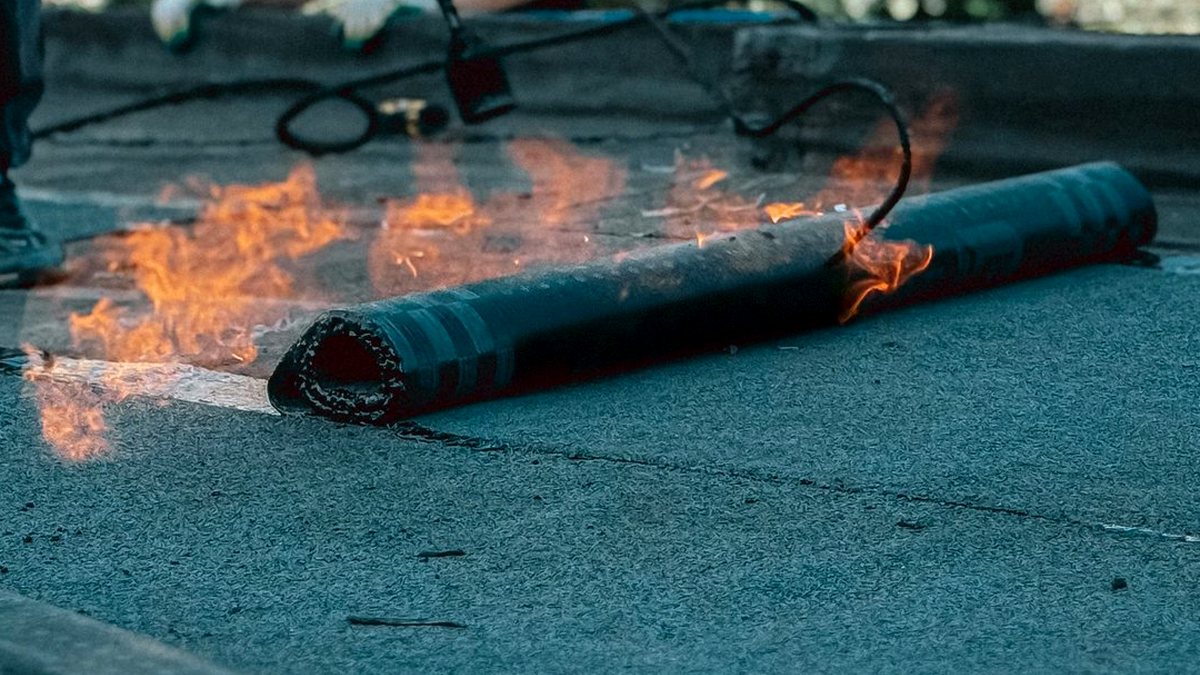
- Heat the underside with the torch until the bitumen softens, then unroll gradually while pressing out air.
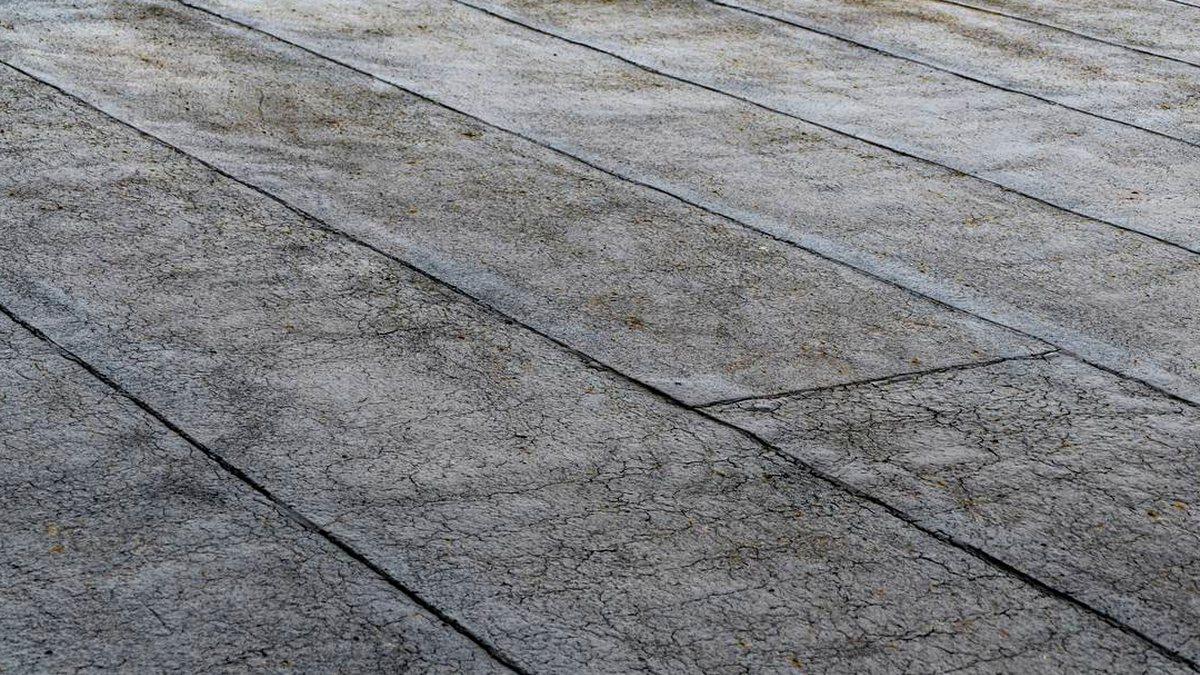
- Keep 10 cm side laps and 15 cm end laps, staggering the end laps.
- Weld laps until a thin bead of molten bitumen appears at the edge.
- Turn the membrane up the parapet, terminate the edges, and detail drains and pipes with extra pieces.
- Protect plain-surface rolls with screed or tiles, or use mineral-slated rolls on exposed roofs.
Coverage and storage
Each roll nominally covers 10 m²; the net area is less because of the 10 cm and 15 cm laps and upstands, so extra quantity is calculated according to the roof layout. Store rolls upright, never stacked horizontally.
Common mistakes with bitumen waterproofing membranes
- Under-specifying the grade: e.g. a general-purpose roll in a basement under groundwater pressure.
- Skipping the primer: causes poor bond and blisters.
- Overheating: burns the bitumen and damages the carrier.
- Short or unstaggered laps: the number-one leak point.
- Leaving smooth rolls exposed to the sun: without protection or a slated finish.
Target Engineering and bituminous membranes
Target Engineering supplies and installs bitumen waterproofing membranes for roofs, basements and foundations, selecting the grade by water pressure and use, with specialist torch-on crews and a flood test before handover. See our bituminous sheets, waterproofing and roofing and waterproofing works pages, or request an inspection.
Useful references: ASTM D6222 for APP polyester-reinforced sheets, and the Egyptian Organization for Standardization and Quality, which grants the Egyptian quality mark.
FAQ
What is the difference between APP and SBS membranes?
APP rolls such as Bitumode are plastomeric and handle high temperatures well, while SBS rolls are elastomeric and more flexible in the cold. A separate article will compare them in detail.
Is one layer enough for a roof?
The datasheets allow single-layer roofing systems, and double-layer systems for basements and tunnels under water pressure, or for roofs combined with a fibreglass-reinforced roll.
Can bitumen waterproofing membranes be used in bathrooms?
Yes. The GAMMA, DELTA, ALPHA and BETA datasheets list toilets and wet areas inside buildings among their uses.
Can new rolls go over old waterproofing?
It depends on the existing layer: if it is bonded and mostly sound, repairing damaged areas and preparing the surface may be enough; if it is detached or trapping water, it should be removed. We always start with an inspection.
Need a site inspection or a quotation? The Target Engineering team is ready to help.

[…] foundations subject to movement and roofs with many joints. APP rolls are covered in detail in our bitumen membranes […]
[…] finish for exposed, non-accessible or low-traffic roofs. For sheet systems in general, see our bitumen membranes […]
[…] rolls: INSUEXTRA P-E and INSUMERIC NC list re-roofing among their uses; see our bitumen membranes […]
[…] can compare these with other rolls on our bitumen membranes […]